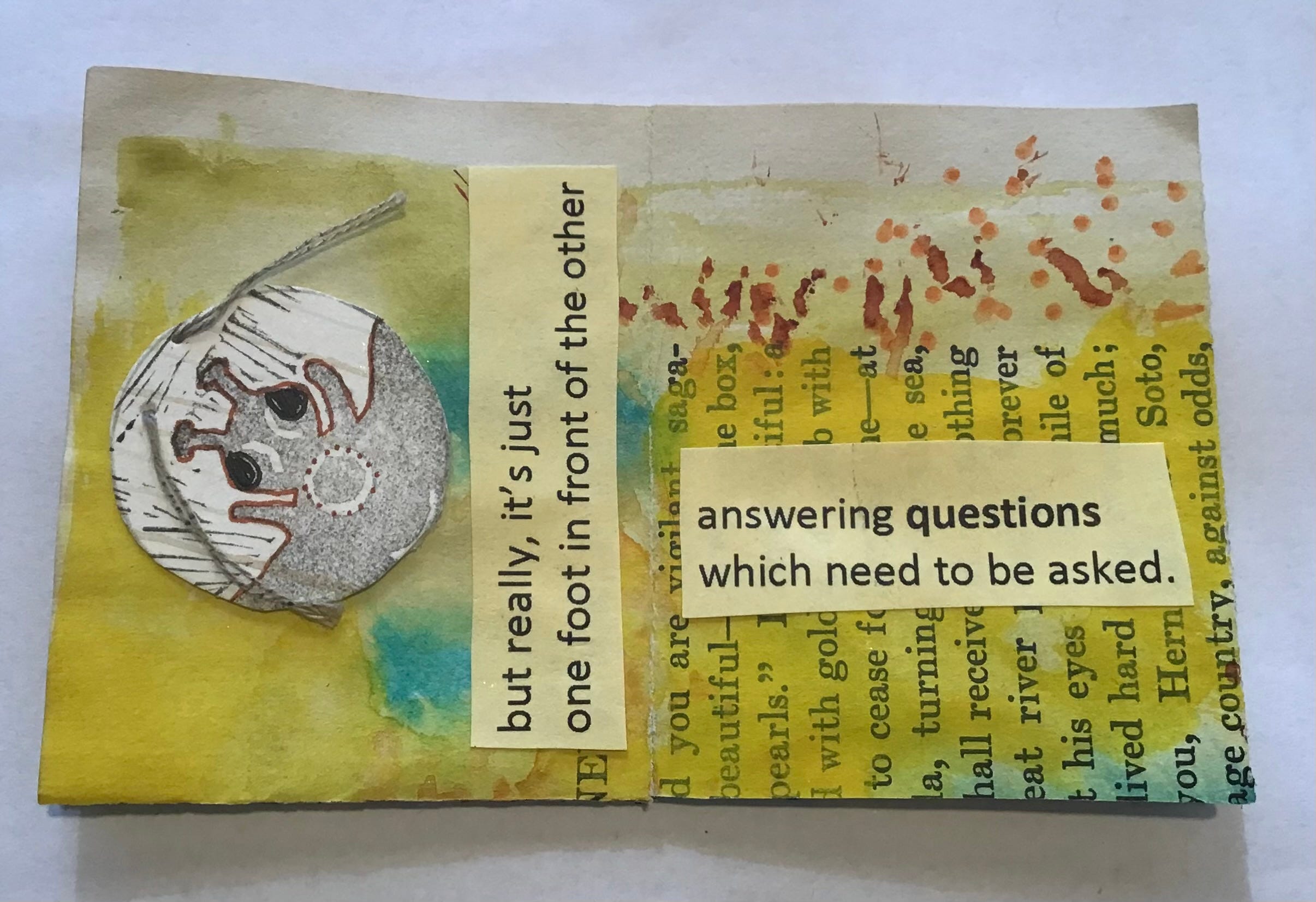
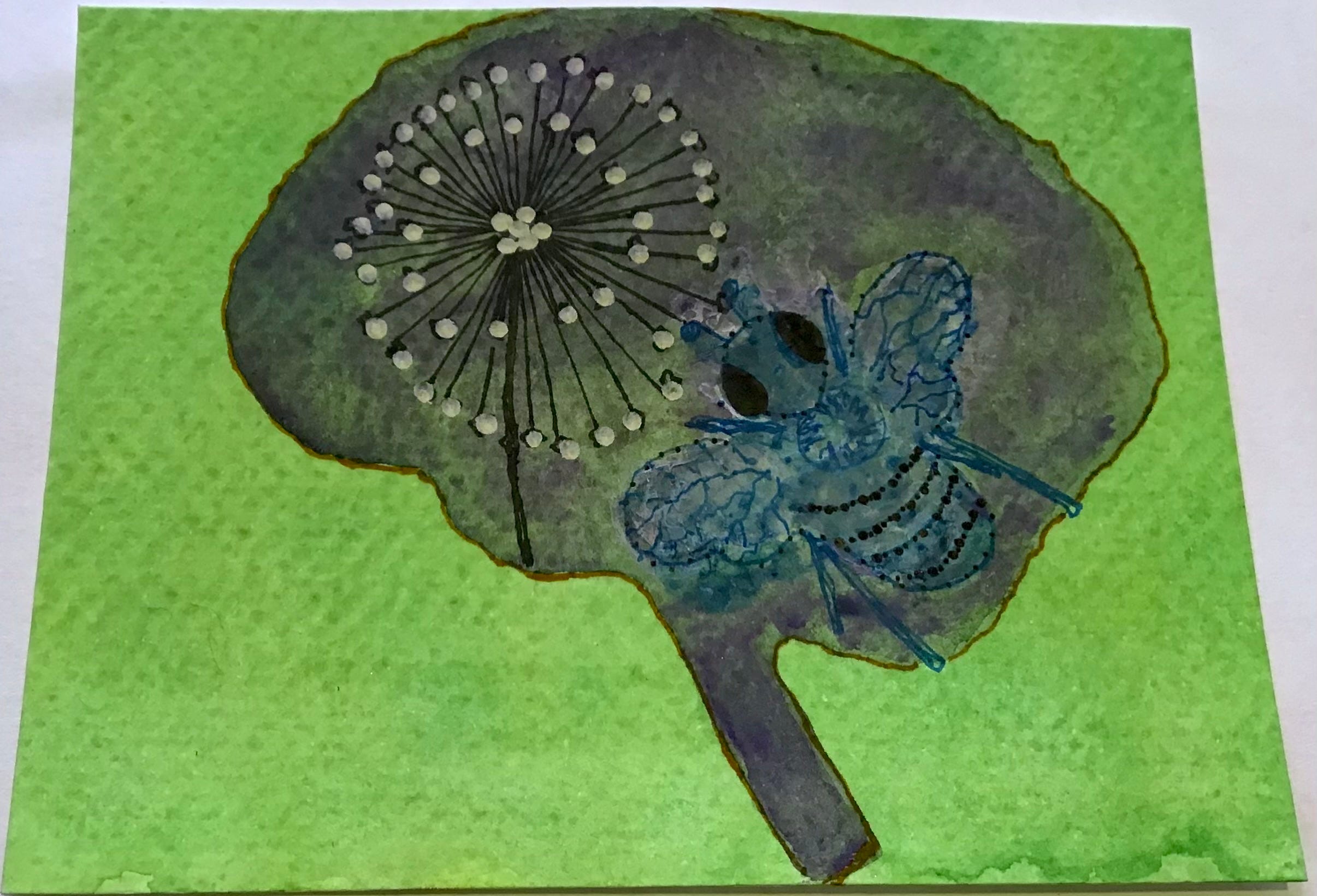
My Mind
Things that have been on it recently...

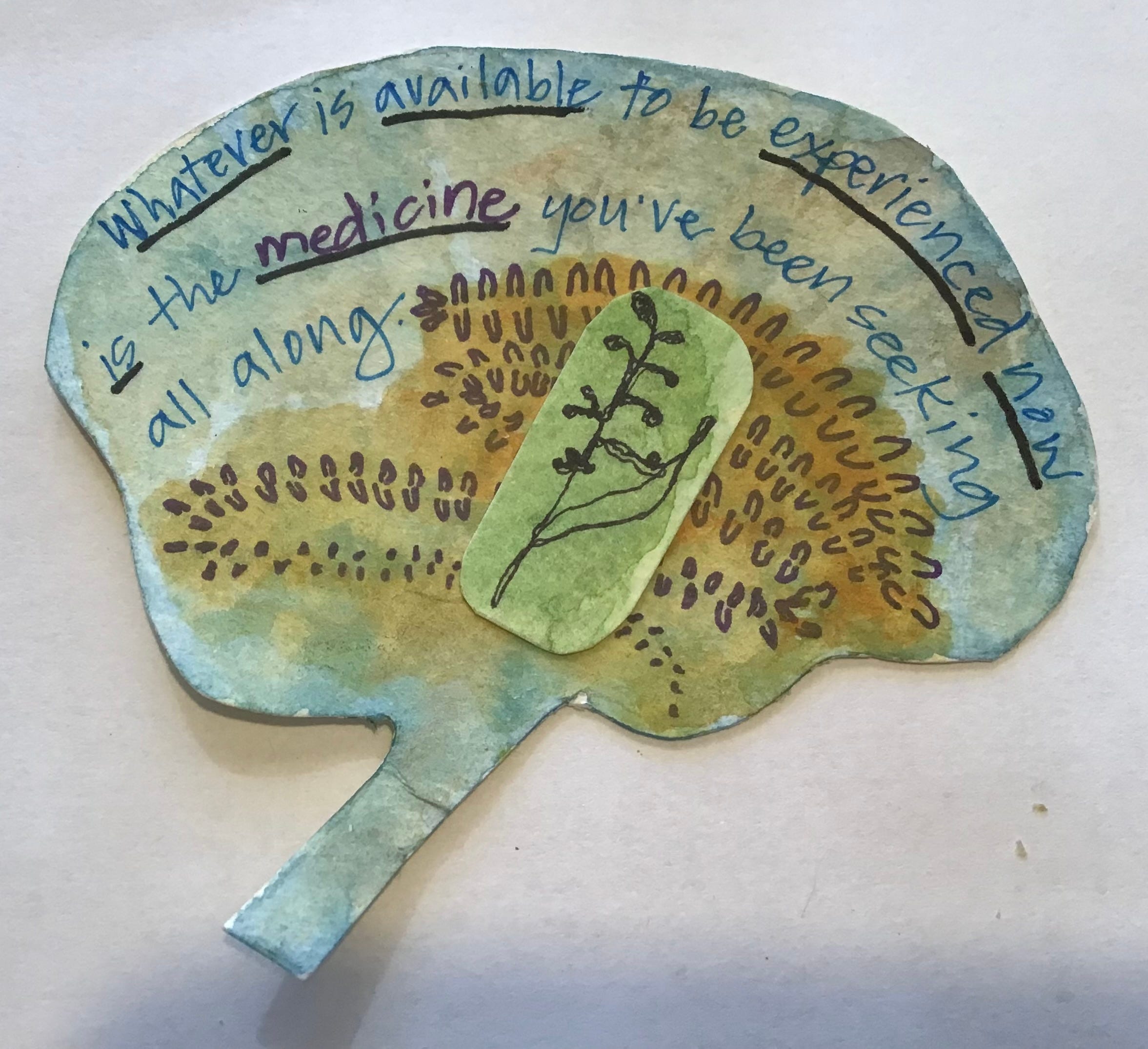
Historically speaking, I have made excuses for not moving through this world as the writer I am. (I think we began here last fall with the first newsletter I wrote.) The excuses would pile up in my head, my body slouching under their weight. There were so many internal “what’s the point?” feelings that created such doubt and hesitancy. I worked hard over the years to tell myself different stories of who I was and what I was capable of.
And here I am again, having openly embraced myself as a writer, but feeling more “what’s the point?” questions—this time from external sources. I am feeling suppressed by the current political climate, the current social realities which, to me, are so demeaning, hopeless and demoralizing. I don’t feel the wherewithal to even try to write; I feel overwhelmed now not with personal excuses but with cultural ones.
So, my new task is to push past the externally produced “what’s the point?” feelings and keep practicing what I have decades of experience doing: no matter what, just write. It doesn’t matter what I end up producing. It doesn’t matter how long it takes me to produce anything. I will write myself into my truth, no matter how many false starts or mistakes or side-quests there are: it will be worth it.
People who I grew up with had taken my self-worth away and I’ve overcome that. Now others are doing that; I’ll overcome this too. I’ve learned, thankfully, that my job is to not stray from this most holy path I’ve been blessed with. So, inspired or not, distracted or not, I will write.
Something else that’s been on my mind:
How do you know when your work is finished? How do you feel satisfied? Do you keep working on something in various ways/forms/approaches until your heart is physically in front of you? Until you can hold it in your hands, run your fingers over it and declare, “Enough for now.”?
I’m not asking about that slippery pathway of it has to be perfect—I’m sure it can be better. I mean: “I have held it up to the light, to all of my memories and knowing. I have examined this idea/subject again and again to learn all of its truths and I have a better understanding of how to care for it and myself in the process.” I mean: “I am embracing my obsessions to the best of my ability again and again to learn more about them and myself—where the intersections between us lie, how the ground spreads itself beneath our feet.”
I’ve been immersed for three years now in Neolithic henges, menhirs and dolmans. I’ve been learning and writing, have researched, have written 16 poems and created a chapbook from them, carved a stamp, drew and water colored many man-made monuments and tried to answer so many questions: Why were Neolithic monuments built? What was life like when lunar time was embraced? How are the stars written on our bodies? How is intelligence interstitial? How were they built? How did oral language dance through human consciousness before written language? How did Neolithic people digest their anxieties after climate disasters? What were the structures used for? What role did the structures play in Neolithic cultures? How were they a cartography of relationships? What did the night sky look like in the Neolithic age? What plants and animals were our kin then? What would it look like seasonally in each area where these structures were built?
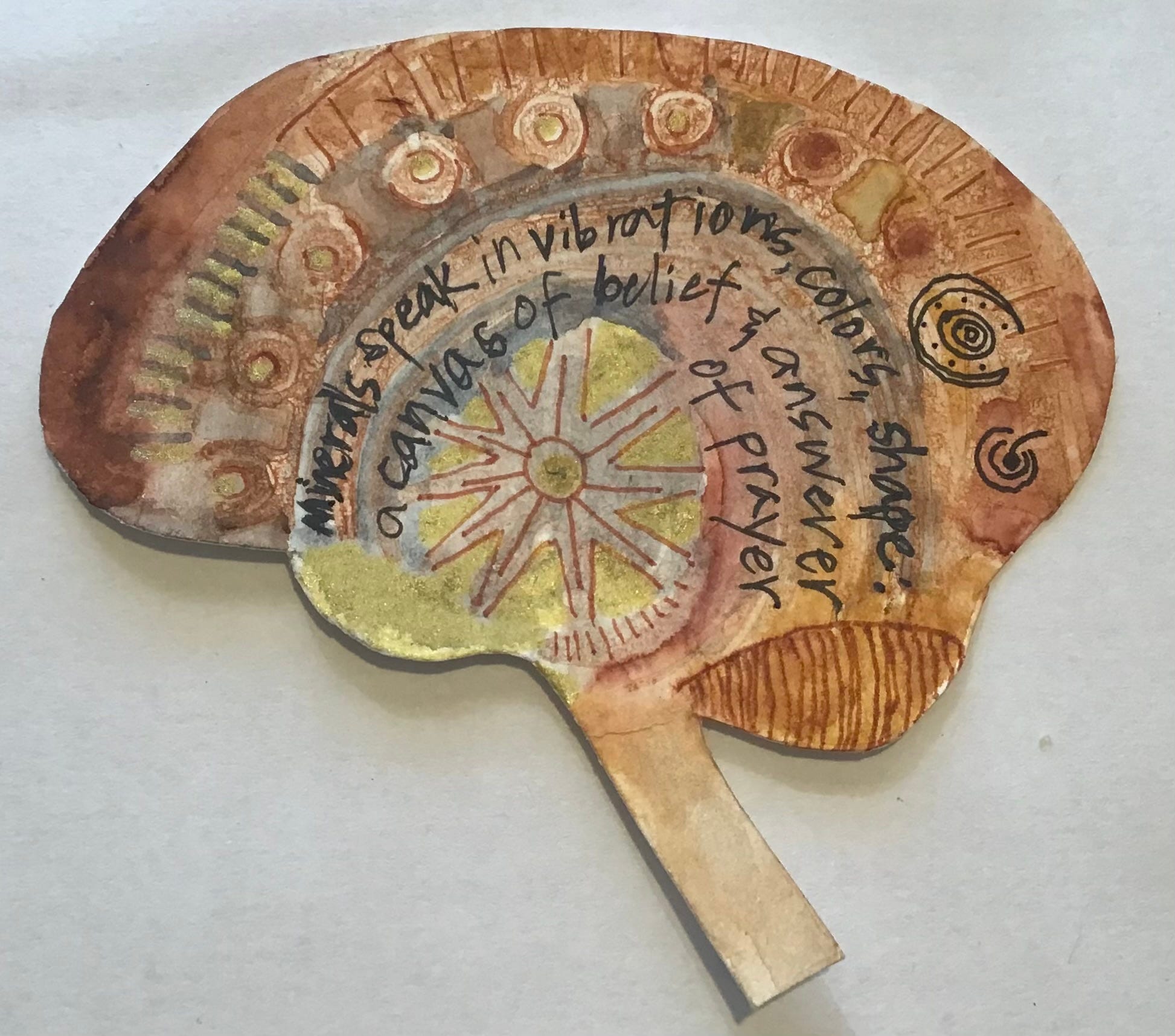
I know there’s more to interpret, more ways to answer the questions I posed. Those other answers are niggling at the edges of my mind, waiting to be answered. I’m want to explore mineral wisdoms—what do stone and star carry together to teach? I feel there are other poems wanting to dance their way onto the page.
Bees are on my mind too.
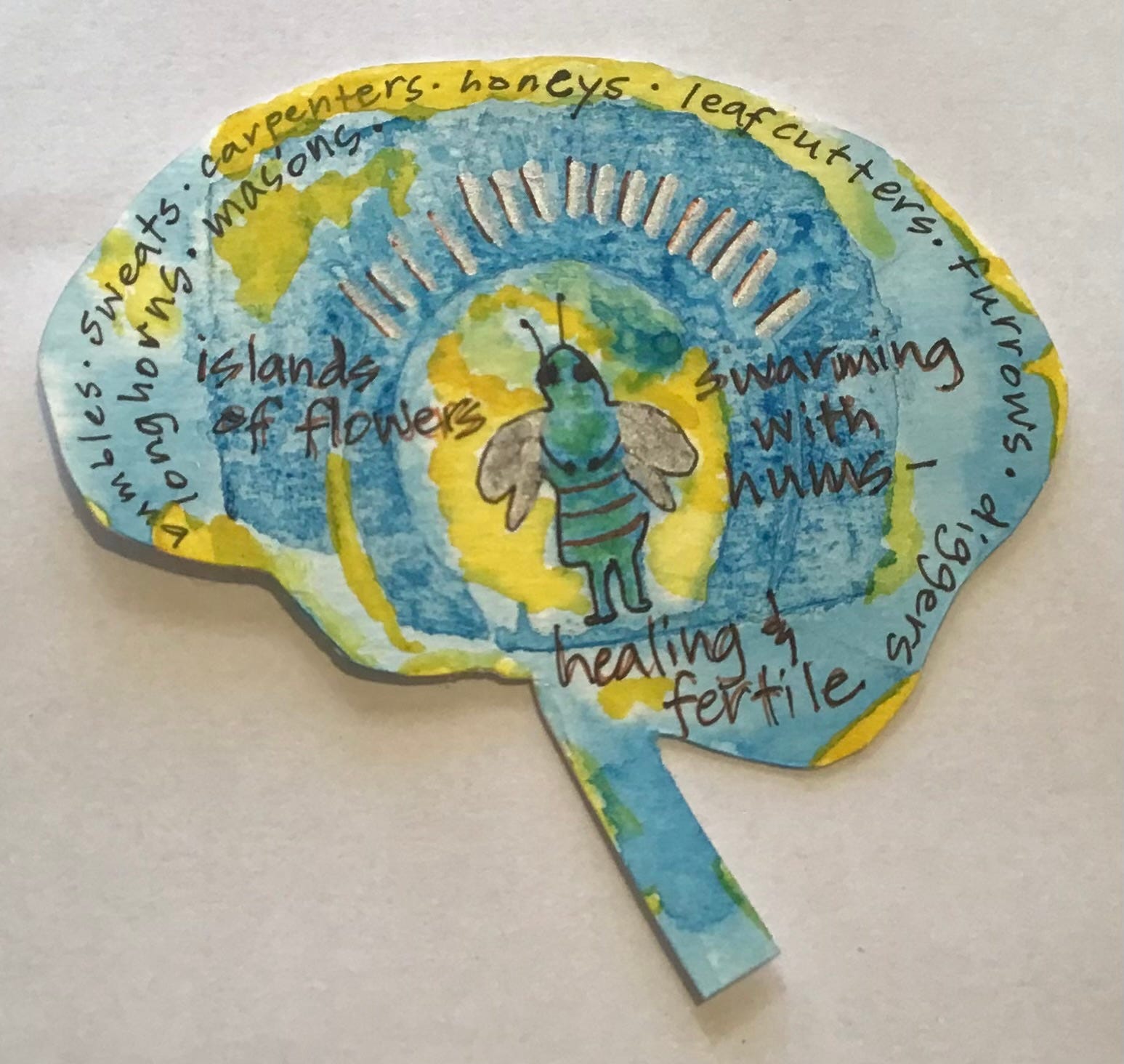
I’ve been spending Monday mornings immersing myself in bee research. What I’ve noticed is that with the importance of all the bee species to ecosystems, with their tireless work to maintain eco-diversity and help food grow, why do we relegate importance only to the species which benefits our food tables? (That’s a rhetorical question—I understand our narcissistic nature.) Do you know there are 27 bumble bee species in the U.S.? I have fallen in love with all species of sweat bees. Bees, in Neolithic times, in the Mediterranean area of the world, was tied to Dionysius and all his gender-shifting, revolutionary sensibilities.
And “bees” seems such a scant word for their kind, their importance. They have been known by many other names throughout history and different cultures:
Melissa, Melania, Mellona, Melipona
messengers of god
gods of fermentation
harbingers of spring
Kledora, Daphnis, Ka, Brahma
Eileithyal, Eleuthia, the great mother
Deborah, Demeter, Neith
Just those names themselves seem a poem if you read it slowly and with reverence.
A final thought: What’s been on your mind? How can you practice resistance to the cultural questions you find yourself wrestling with?
If you too are having trouble writing, remember: